Canterbury Coffee
Rebuilding a masterbrand while creating a consumer brand people could care about.
The situation
When I first worked with Canterbury Coffee, the business operated much more like a coffee roaster and production company than a brand-led organization. Its portfolio consisted largely of product names and generic identities designed to differentiate one coffee from another, rather than brands with distinct meaning or consumer value. That model had historically worked in food service, where individual consumer brands mattered less if the roaster or company behind them carried enough credibility.
But the category was changing.
Third-wave coffee culture was reshaping consumer expectations, and smaller, more specialized roasters were gaining disproportionate relevance and credibility. At the same time, consumer-recognized coffee brands were increasingly moving into food service.
Canterbury’s 35-year-old masterbrand had become dated and increasingly invisible in that environment.
What I saw
There were really two connected problems.
First, Canterbury itself needed to become relevant again. The company had strong roasting capability and product quality, but the masterbrand wasn’t communicating either.
Second, Canterbury lacked a consumer-facing brand capable of competing credibly with the emerging generation of independent and micro-roasters. The one brand in the portfolio with that potential was Sacred Acre.
The product already had a meaningful point of difference: it was roasted weekly in small batches to preserve freshness, unlike Canterbury’s higher-volume food-service products. But product quality alone wasn’t enough. Sacred Acre needed a reason for consumers to care.
The Strategic Response
Rather than treat the two challenges separately, I used them to reinforce each other.
We undertook a full rebrand of the Canterbury masterbrand to restore relevance and modernize how the company presented itself, while simultaneously building Sacred Acre into a more distinctive consumer proposition.
The idea was simple:
Use Sacred Acre to create consumer pull and cultural relevance, while allowing that credibility to reflect back onto Canterbury as the roaster behind it.
This gave the business a way to modernize the company brand while creating something capable of competing in the emerging premium coffee landscape.
Building Sacred Acre
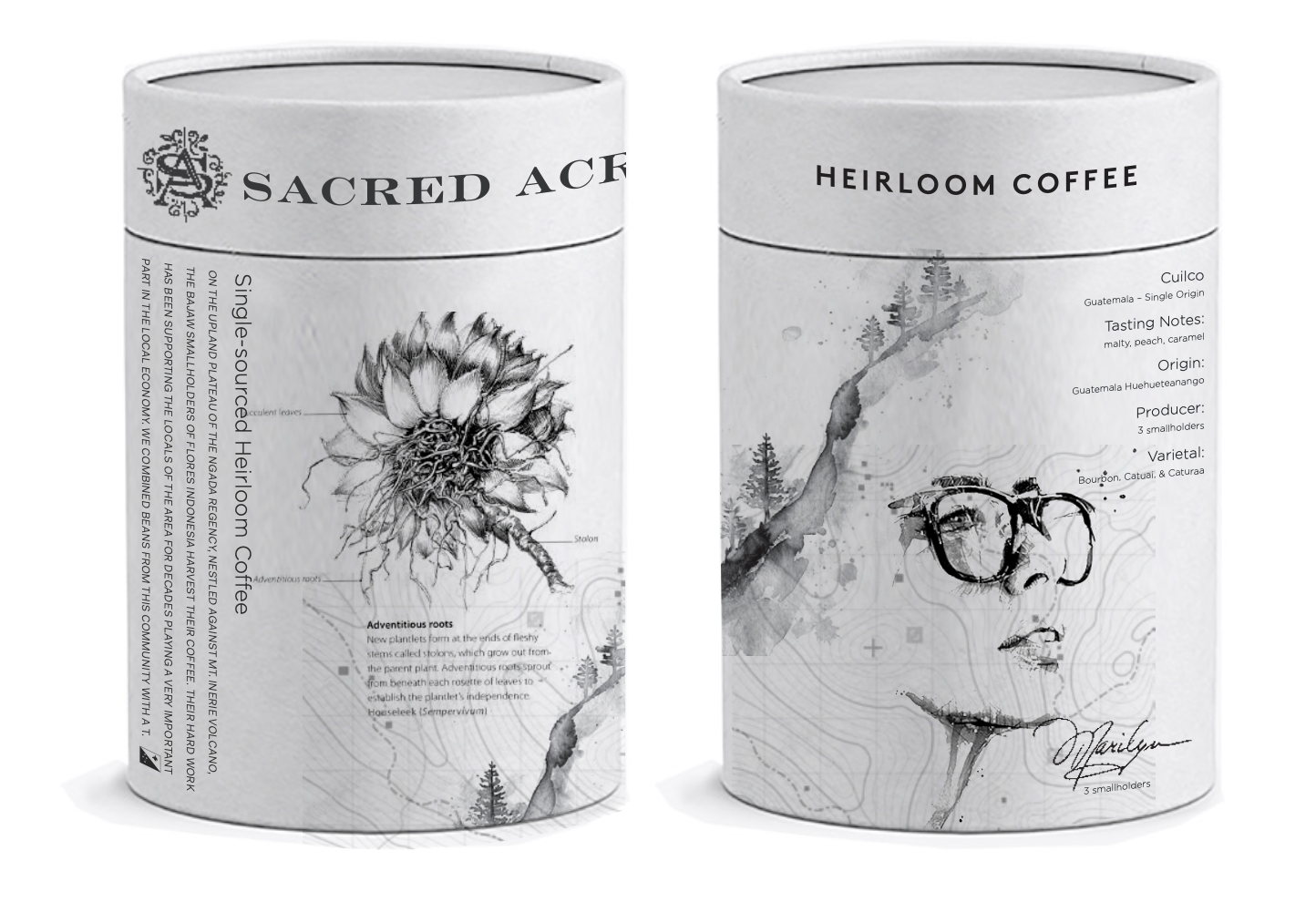
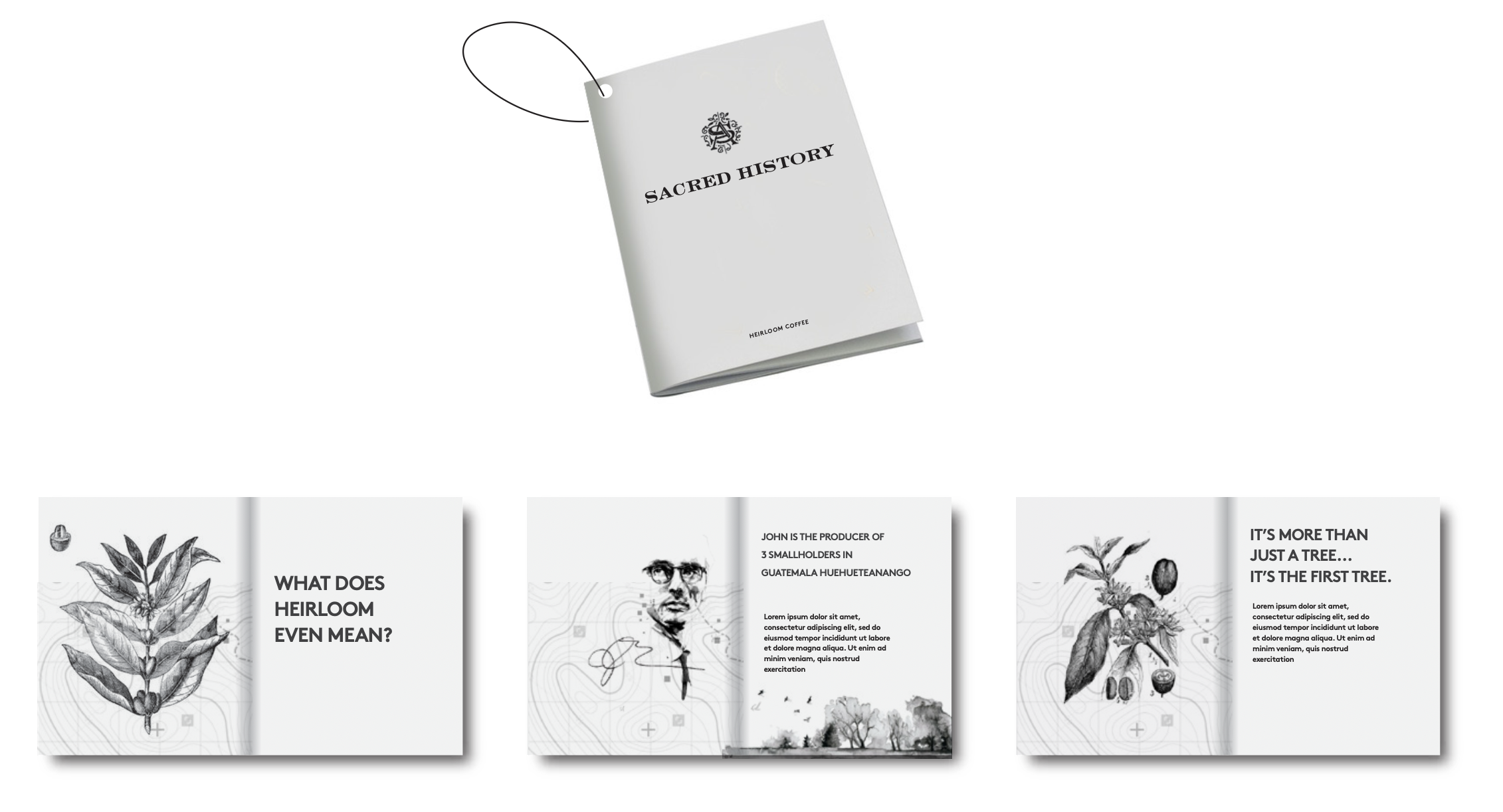
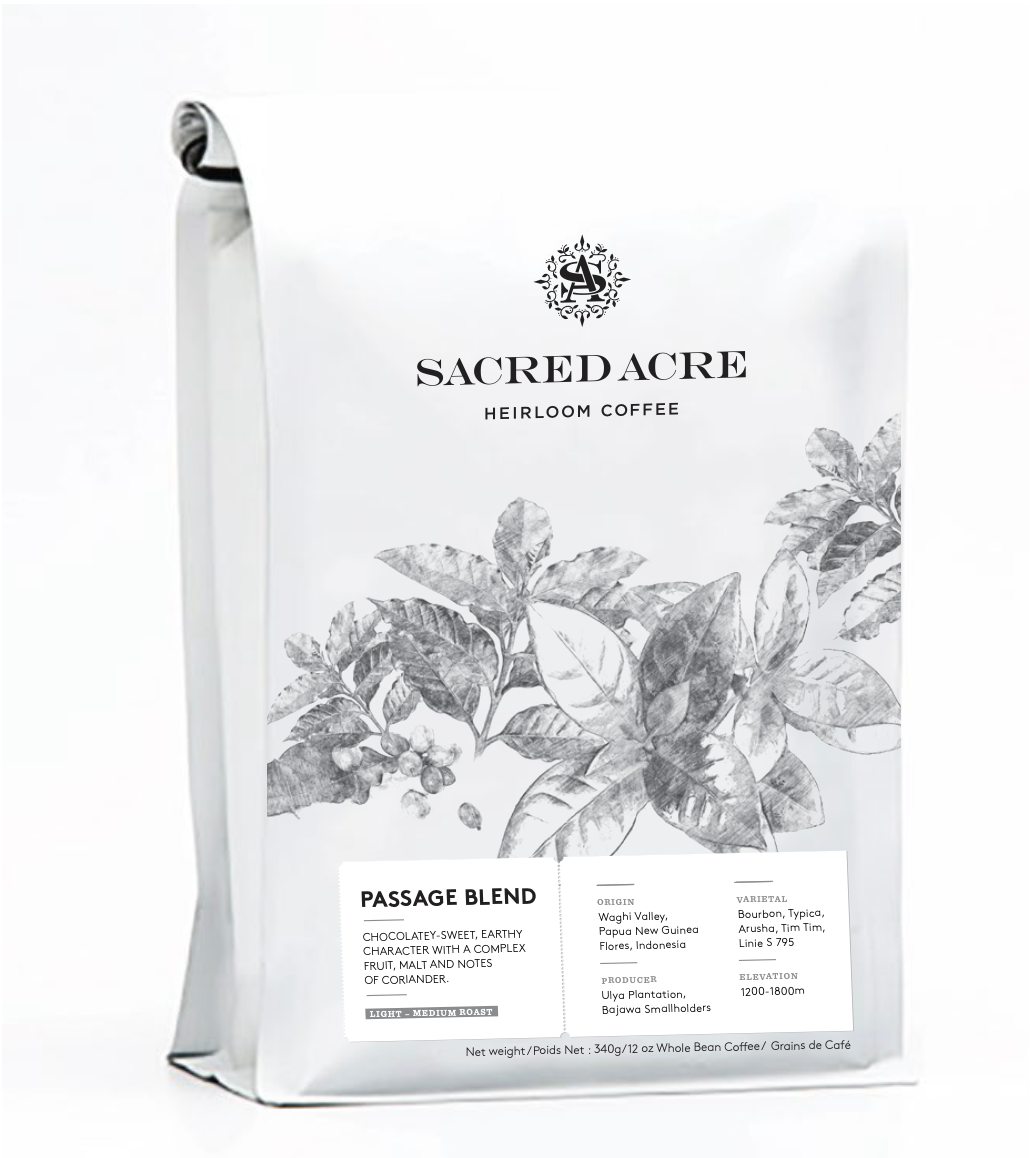
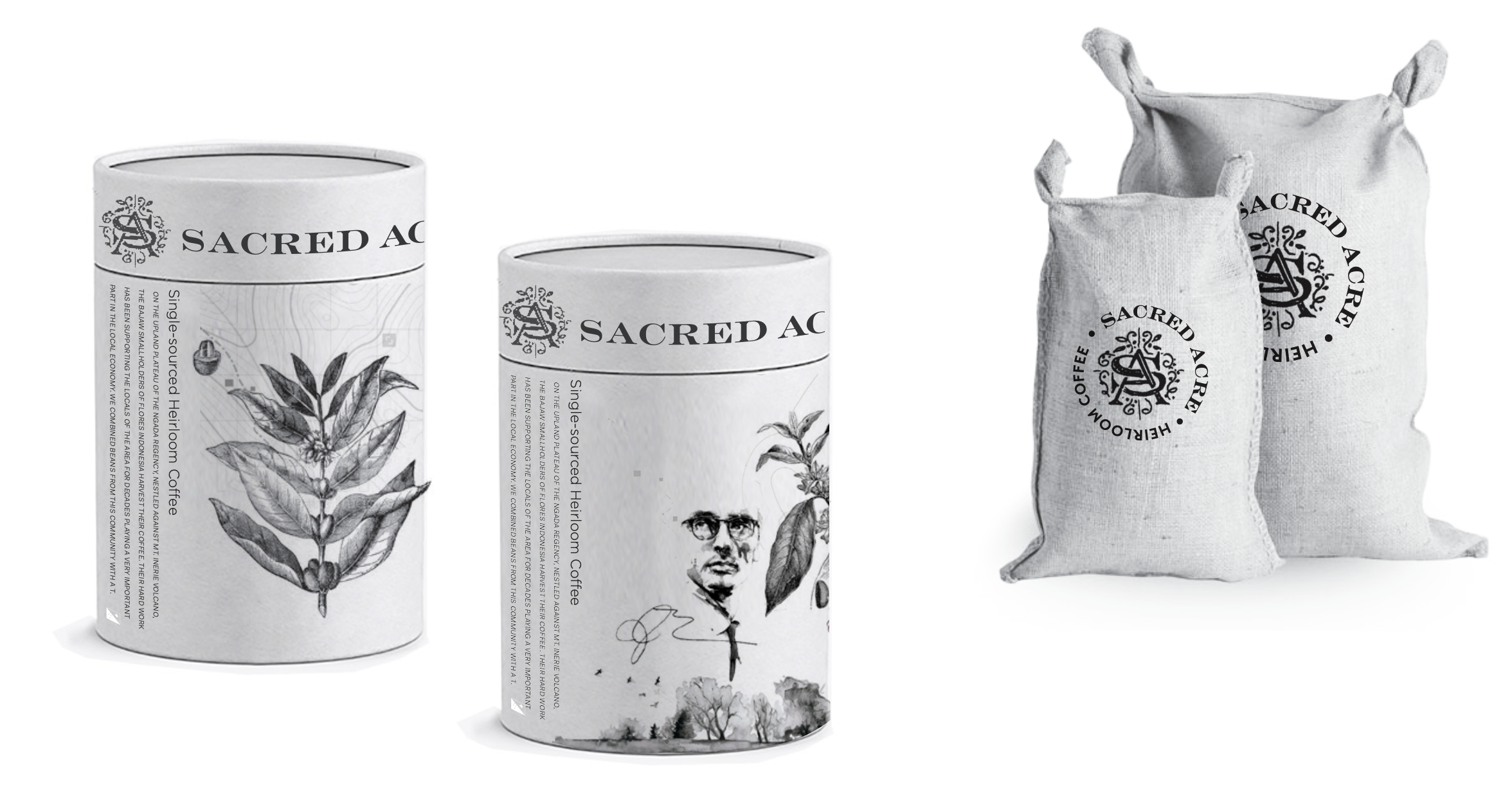
Sacred Acre’s brand was built around more than freshness and small-batch roasting. The beans were purchased directly from farmers, which gave us a much more human story to tell. Instead of treating origin as technical information buried on the pack, we made the farmers part of the brand experience itself. Their stories became part of the packaging, helping connect the product back to the people and places behind the coffee and giving consumers a more emotional reason to choose the brand. The packaging became more than a container.became part of the storytelling.
What Changed
The work helped Sacred Acre move from being another name within Canterbury’s portfolio to a credible consumer-facing coffee brand. More independent coffee shops began carrying Sacred Acre as their primary coffee offering, expanding its presence beyond Canterbury’s traditional production-led model. And one of the strongest indicators of the durability of the strategy is simply longevity: Nearly a decade later, Canterbury is still using the Sacred Acre brand identity and packaging system developed through that work.
Sometimes the fastest way to rebuild relevance for a company is to give people a reason to care about one of the brands it makes.